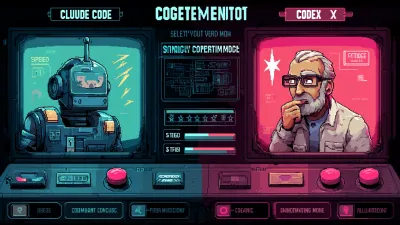
On June 2, Windsurf users opened their editor and it was gone. Not crashed - replaced. An over-the-air update from Cognition retired the brand and booted them into Devin Desktop. The rename is the boring part. The reshape is the story: the default interface is now an agent command center, and the code editor - the thing an IDE has been for since the term existed - is no longer the center of the screen.
What Actually Changed
The new defaults tell you the thesis. Devin Local is a Rust rewrite of the old Cascade engine, around 30% more token-efficient. The Agent Command Center, not the text buffer, is what opens first. And the load-bearing piece: an open Agent Client Protocol that lets other vendors’ agents - Codex, Claude, OpenCode - run inside the host. Cascade is end-of-life July 1. Cognition didn’t ship a better editor. It demoted the editor and shipped a place for agents to work.
The Editor Was the Wrong Center of Gravity
For fifty years the editor was the right abstraction because typing was the job. The buffer was where the work happened, and everything else - file tree, terminal, debugger - orbited it. AI-native development quietly inverted that. You now spend more time directing agents than writing lines: framing tasks, reviewing diffs, steering a fleet. The text buffer is still there, but it has become an output you inspect, not the surface you live in. Devin Desktop just moved the furniture to match where developers already sit.
This is the scaffolding era ending seen from the IDE’s side. The orchestration layer everyone bolts on by hand is being absorbed into the tool itself, and the tool is reorganizing its whole identity around it.
The Protocol Is the Real Bet
ACP is the move worth watching, because it is not about Devin’s agent. It is about every other agent.
The IDE stopped being where you write code. It became where your agents report for work.
An open client protocol says: we don’t need to have the best agent, we need to be the host the best agents run inside. It is the MCP playbook one layer up - own the surface, stay neutral on the model, and let the workflow accrue to whoever controls the room. If it works, the winner of AI dev tooling is not the best editor or even the best agent. It is whoever the other agents agree to plug into.
Be skeptical of “open” when a single company defines, ships, and governs the protocol. ACP can be genuinely useful and a strategic enclosure at the same time. Every platform that ever wanted to own a layer announced an open standard first; openness is how you recruit the ecosystem you later intend to own. Watch who controls the spec, not who’s invited to implement it.
What This Isn’t
- Rebrands can be churn, not vision. Killing a tool people chose, overnight, via OTA, is its own trust story - and not a flattering one. “We replaced your editor while you slept” is a strange way to earn a workflow.
- ACP adoption is unproven. A protocol is a press release until rivals actually ship support. Codex and Claude running inside Devin is the claim; sustained, first-class integration is the test.
- The editor isn’t dead for humans. Someone still reads the diff, and reading code well is the skill that didn’t get automated. The buffer got demoted, not deleted.
Whoever They Agree to Run Inside
The competition in AI dev tooling looked like a race for the best autocomplete, then the best agent. Cognition is betting it is neither - that it is a race to be the host, and that the editor was a fifty-year-old habit we mistook for the point. The winner won’t be the sharpest tool. It’ll be the room the other tools are willing to work in.
Related Posts